Defining how your technology is seen and understood — translating complex products and processes into clear, compelling visuals that build credibility and drive decisions.
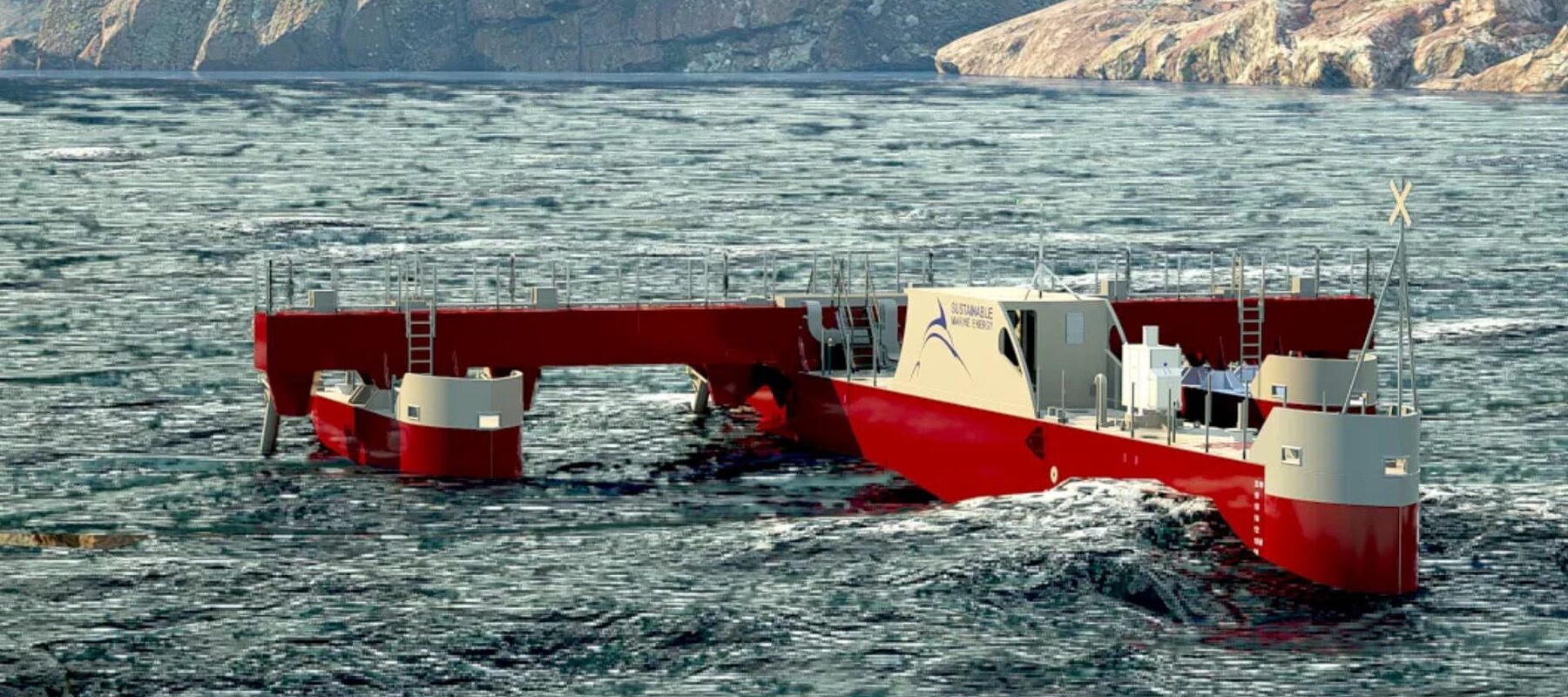
Poor visual communication is one of the most expensive problems in the energy sector — in Canada, across the United States, and internationally. Most organizations never connect the communication failure to the outcome failure: lost investors, stalled approvals, missed market opportunities. I’ve spent a career closing that gap, from Canada’s largest SAGD operations to US ethanol and renewable fuels facilities to tidal energy projects in the UK.

A career spent making the invisible visible. I translate complex energy technology into visual language that non-technical audiences can see, understand, and act on — language that investors fund, regulators approve, and the public responds to.
I work at the strategic level and the execution level. That means I can define what needs to be communicated and why, then produce the work that delivers it — or direct the suppliers who do. Most organizations have one or the other. Not both.
My work spans the full range of new energy and industrial technology: carbon capture, hydrogen, geothermal, tidal energy, heat recovery, SAGD operations, safety-critical process visualization, and investor communications across Canadian energy, the US renewables sector, and international markets.
If your technology deserves to be understood — by the people who fund it, approve it, or operate it — that’s the problem I solve.
“If you can’t see it, it doesn’t exist.”
That’s not a design philosophy — it’s a business reality. Technology that can’t be visualized can’t be funded, can’t earn regulatory approval, and can’t be adopted by the people who need to use it. Visual communication, directed at the strategic level, is what makes complex technology real to the audiences who matter.
The research is clear. A University of Minnesota study found that visual presentations are 43% more persuasive than those without. MIT demonstrated that the brain extracts meaning from an image in 13 milliseconds. The case for visual communication is not aesthetic. It is neurological.
Here is where it delivers.
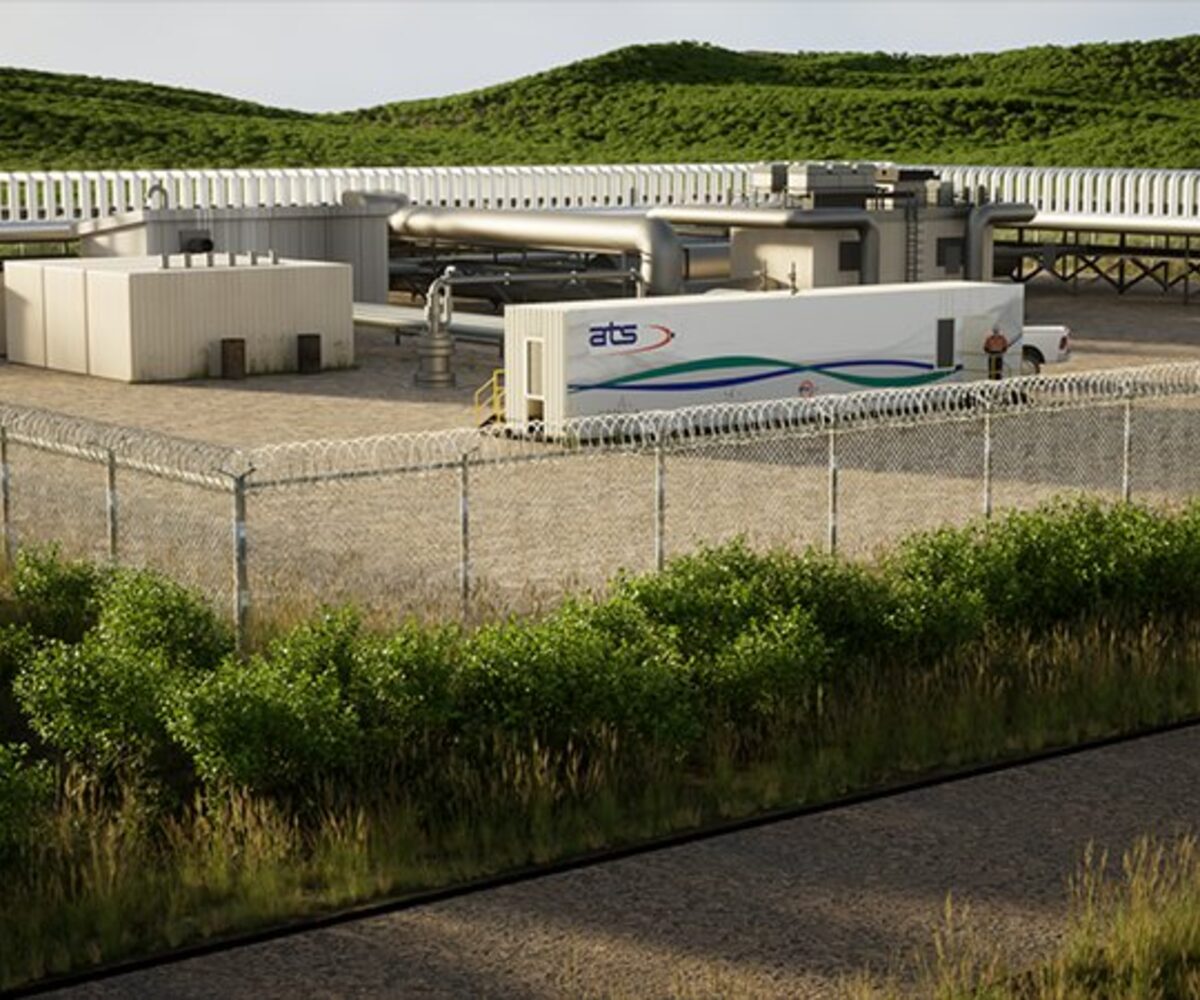
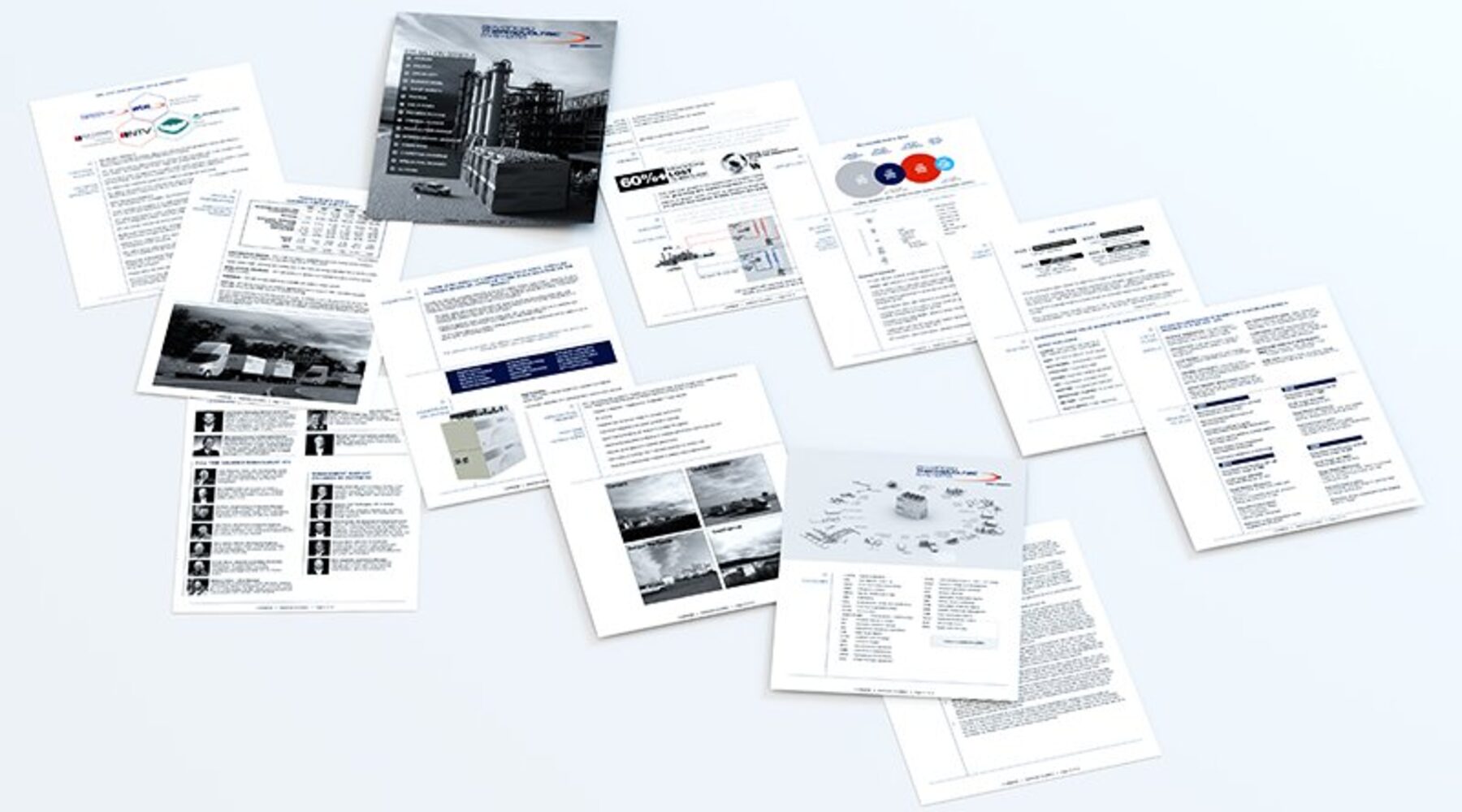
ATS Energy developed a breakthrough technology that captures wasted industrial heat and converts it to power. I was brought in to make that technology visible — to build, manage, and sustain the visual communications that would carry it from concept to global recognition. Over several years, that meant 3D renderings, animations, branding, pitch presentations, performance visualizations, and a comprehensive 120-page investor package that brought together the technology story, market opportunity, ROI projections, and the global impact case.
The whole effort culminated in an Earthshot Prize-winning submission for ATS Energy — the globally recognized environmental award founded by Prince William — bringing worldwide attention to a technology that had been communicated clearly enough to be understood by everyone from climate scientists to the general public.
If you’re working on something technically complex that needs to be better understood — by investors, regulators, customers, or your own team — I’d welcome a conversation.
andrew@enervis.tech Connect on LinkedIn